QR-Based Self-Ordering System — Kober Mie

Year 2019 Client Kober Category UI/UX Design Timeline 2 Weeks The Challenge In 2019, long before QR-code ordering became a global standard, Kober Mie’s Jember branch faced a classic F&B bottleneck: overwhelming crowds and long queues that disrupted the flow of transactions and operations. The primary goal was to decentralize the ordering process, reduce manual […]
Kober
Year
2019
Client
Kober
Category
UI/UX Design
Timeline
2 Weeks
The Challenge

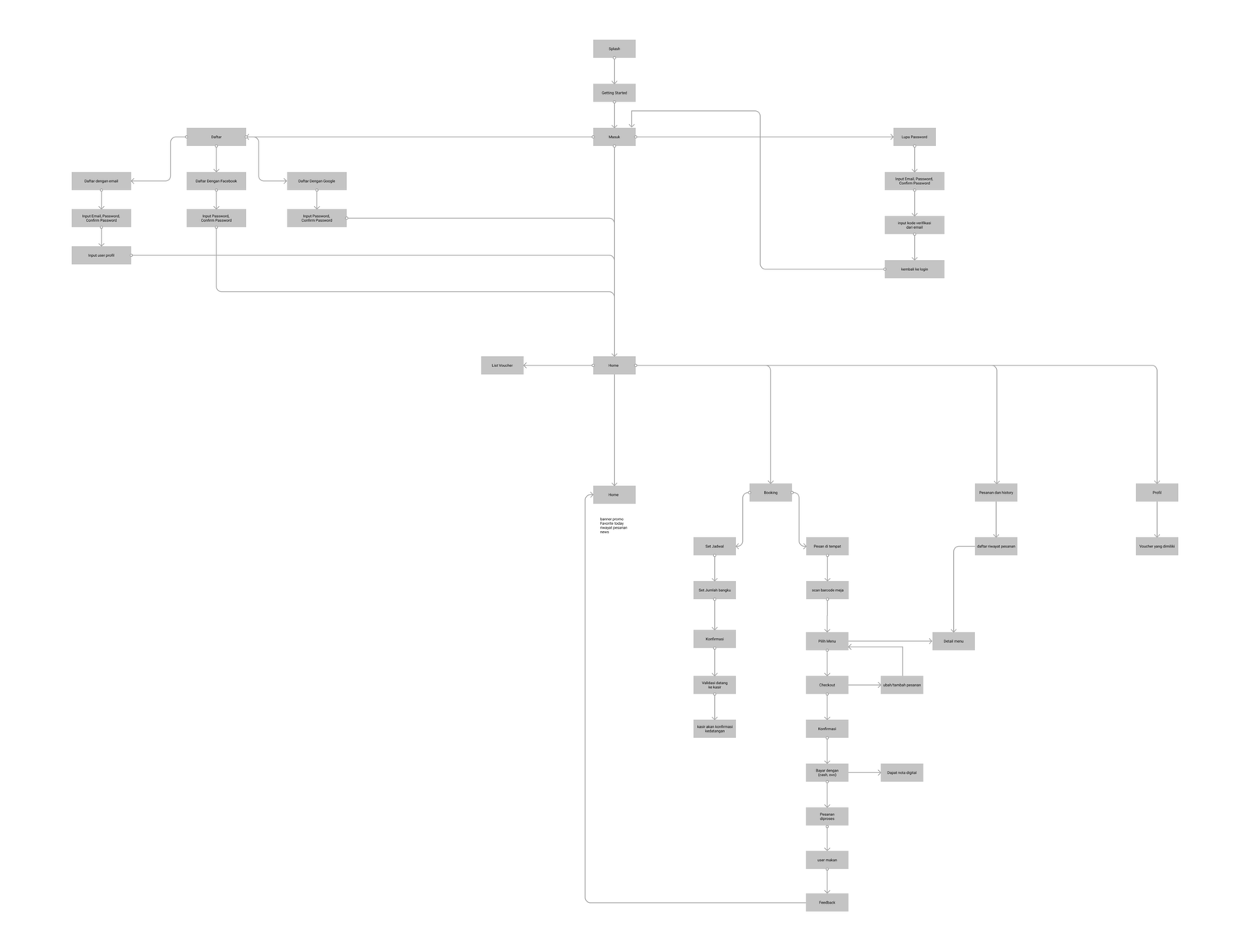
In 2019, long before QR-code ordering became a global standard, Kober Mie’s Jember branch faced a classic F&B bottleneck: overwhelming crowds and long queues that disrupted the flow of transactions and operations. The primary goal was to decentralize the ordering process, reduce manual recording errors by staff, and manage high-traffic “mass crowds” effectively to ensure a smoother dining experience.
The Approach

My approach was to design a solution that felt “ahead of its time.” I focused on creating a frictionless user journey that allows customers to take control of their own experience. The design needed to be robust enough to handle high-speed transactions while remaining intuitive for a fast-paced restaurant environment.

The Solution

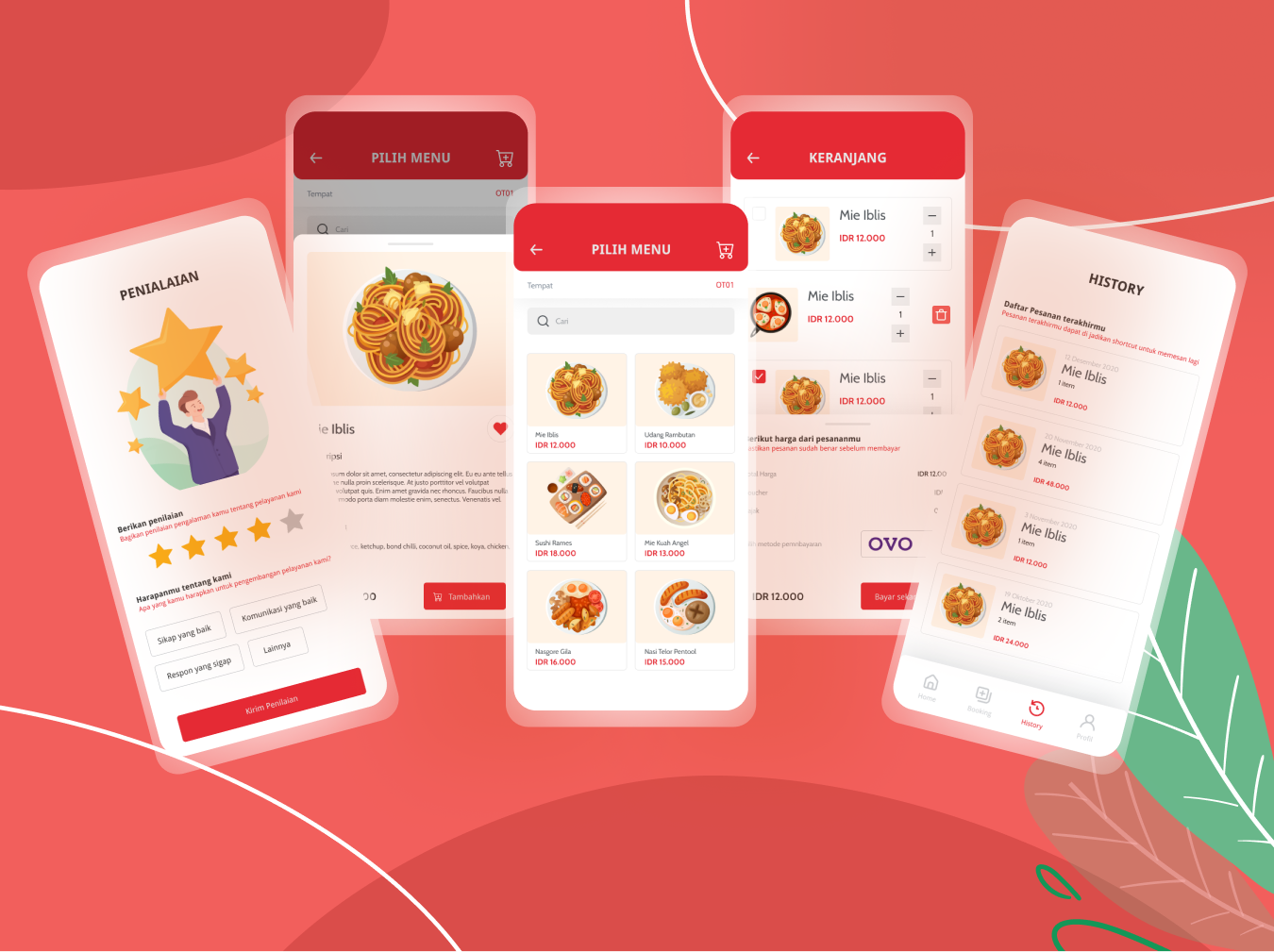
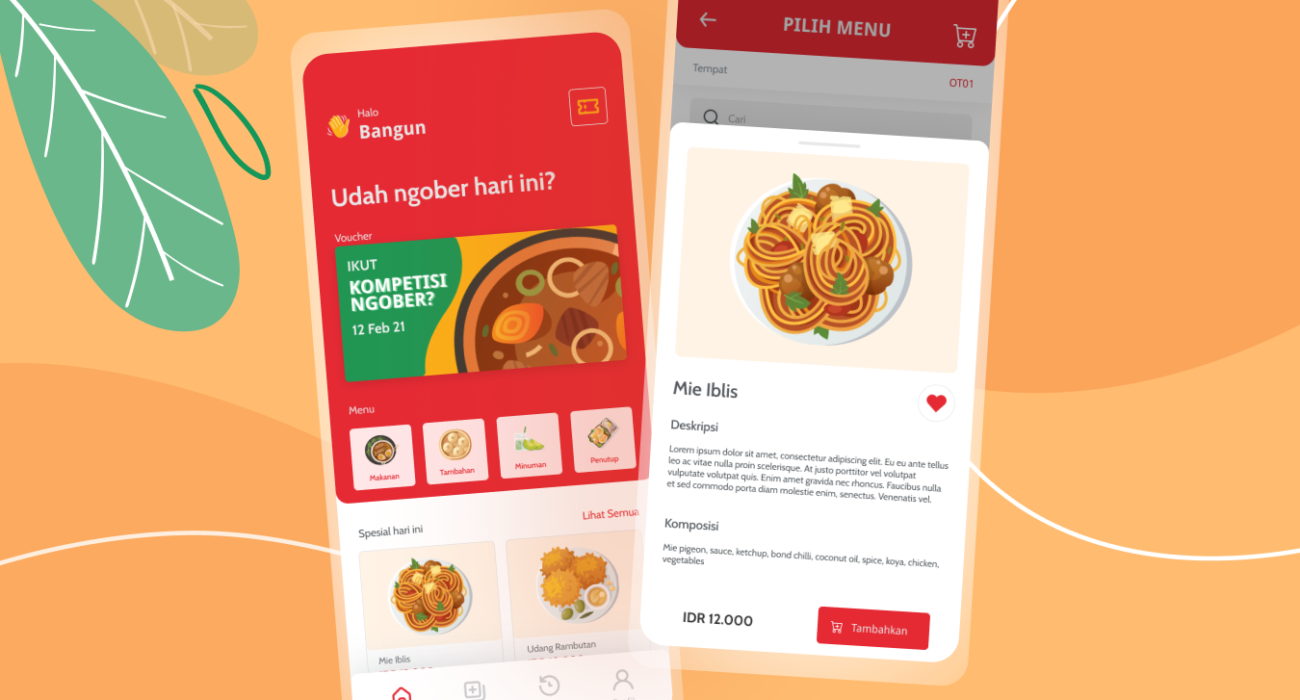
I developed a mobile interface that respected Kober Mie’s iconic “Bold & Spicy” brand identity while ensuring a clean, UX-friendly layout for maximum legibility. Key features included:

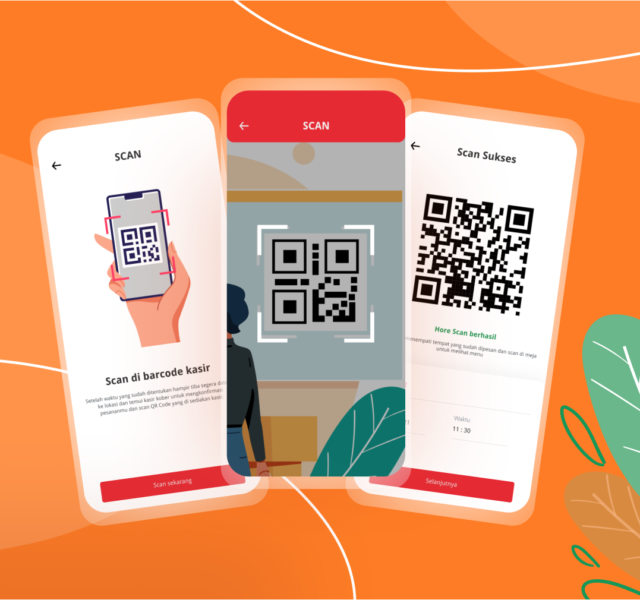
  1. Dual-Payment Flexibility: A seamless scan-to-order flow with options for both Cash and E-Wallet payments, catering to the evolving digital payment landscape in 2019.
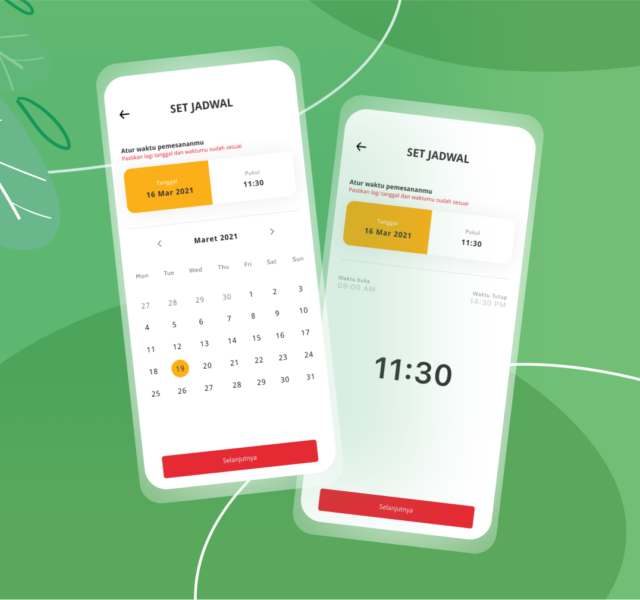
  2. Real-Time Table & Booking Management: An innovative feature allowing students and groups to book tables online and view real-time table availability, preventing physical crowding at the venue.
  3. On-Site Service Integration: A dedicated “Call Waiter” function within the interface to maintain high-quality service without the need for customers to leave their seats.
Kober2
Kober3
The Impact

By digitizing the order and transaction flow, the design provided a strategic blueprint for operational efficiency:

  1. Queue Mitigation: Shifted the crowd from the cashier counter to the dining tables, significantly improving the restaurant’s atmosphere.
  2. Error Elimination: By empowering users to input their own orders, the risk of manual miscommunication and “wrong orders” was virtually eliminated.
  3. Scalable Innovation: While initially designed for the Jember branch, the architecture was built to be adaptable for franchise-wide implementation, setting a new digital standard for the F&B industry in East Java.

Related work